

Views: 0 Author: Site Editor Publish Time: 2025-09-29 Origin: Site


Have you ever wondered how long pesticide stays active on grass? These chemicals protect lawns but can pose risks if entered too soon. Knowing safe waiting times helps protect kids, pets, and your family. In this article, you'll learn practical timelines and tips for safe re-entry after pesticide use.
Understanding how long to avoid treated lawns depends on several factors. Each lawn and treatment is different, so it's smart to consider the type of pesticide, how it was applied, the weather, and how well your grass absorbs chemicals.
Not all pesticides behave the same way. Herbicides target weeds, insecticides aim at insects, and fungicides control diseases. Liquid herbicides may dry faster, but stronger systemic formulas can linger in soil longer. Insecticides often pose higher risks for pets and children because they remain active on the grass surface. Fungicides usually require dry time to bind properly, and some may need several days. Always check the product label to confirm waiting times.
The method of application directly impacts safety timelines. Sprays can dry within hours, but residues may stay on the blades of grass until rainfall or irrigation dilutes them. Granules and pellets often require 24–72 hours because they dissolve slowly and settle into soil. Dust products may blow in the wind, extending exposure risk. A good rule is to wait until the product has dried fully or dissolved before stepping back on the grass.
Weather changes how pesticides behave. A sunny, dry day can speed up drying, while high humidity or shade slows absorption. Rainfall soon after treatment may wash chemicals into soil but also extend the time lawns remain unsafe. Hot temperatures can make chemicals more volatile and increase exposure risks. Wind is also critical: drifting particles can move pesticides to nearby areas, raising concerns for neighboring properties.
Healthy grass often absorbs pesticide treatments more effectively than compacted or damaged lawns. Thatch buildup may prevent chemicals from reaching the soil, leaving more residue on the surface. Soil type matters too—sandy soils drain faster, while clay-heavy lawns may hold pesticides longer. Aerated and well-maintained lawns usually recover more quickly, making them safer to use sooner.
When lawns are treated, knowing how long to wait before re-entry keeps families and pets safe. These guidelines give practical timelines and clear signs that a pesticide application has settled.
Most liquid pesticide products dry within 6–24 hours. For stronger herbicides or insecticides, 24–48 hours is safer. Some granular treatments may need up to 72 hours. Always follow the specific product label.
Drying allows chemicals to bind to soil and grass blades. Walking too soon risks spreading wet residue and lowering effectiveness. A fully dry surface usually signals reduced exposure risk.
Stepping on grass too early can cause irritation, rashes, or allergic reactions. Inhaling residues may lead to coughing or dizziness. Small children or pets may ingest pesticides by touching or licking.
Shoes, toys, and pet paws can bring pesticide residue inside. This can contaminate carpets or furniture and extend exposure time. Wiping footwear and washing pet paws reduces these risks.
Heat makes chemicals more volatile, while humidity slows drying. In such conditions, waiting longer than standard recommendations is wise. Shaded lawns may also take extra time.
Check that the grass feels dry before use. If irrigation or rainfall has occurred, confirm the label allows entry. Some labels advise watering in granules first, then waiting an additional 24 hours.
Studies show residues sometimes linger beyond official guidance. Families with children, pets, or health sensitivities may prefer to extend waiting to 48–72 hours, even if labels suggest less.
Condition | Recommended Waiting Period |
Liquid spray | 6–24 hours after drying |
Herbicide or insecticide | 24–48 hours minimum |
Granules or pellets | 48–72 hours or after watering |
Hot/humid weather | Add 12–24 hours |
Homes with kids or pets | Extend to 48–72 hours |
Tip: Even if labels list shorter times, extending the no-entry period adds an extra layer of safety for sensitive groups.
Children are often the most vulnerable when lawns are treated. Their smaller bodies, developing systems, and close contact with grass increase the risk of pesticide exposure. Knowing when it is safe for them to return to the yard protects health and peace of mind.
Kids have thinner skin, which absorbs chemicals more easily than adults. They also spend more time on the ground, breathing in residues close to the soil. This makes them more likely to absorb or inhale pesticides. Early exposure can trigger skin irritation, coughing, or long-term health concerns.
Most experts recommend children stay off grass for at least 24 hours after a pesticide application. For stronger formulas, the safe window extends to 48–72 hours. In some cases, even longer waiting periods are encouraged if the product label suggests it. A simple rule: if the lawn feels damp, keep kids away.
Infants should never crawl or play on recently treated lawns. Their tendency to put hands in their mouths increases ingestion risks. Pregnant women are also more sensitive, as pesticides may disrupt hormones or affect fetal development. For these groups, avoid contact until after rain or irrigation has washed residues deeper into the soil.
Pets often face higher risks from treated lawns. Unlike adults, they spend more time close to the ground, sniffing, rolling, or chewing. This increases their chances of pesticide exposure and makes waiting periods critical for their safety.
Dogs and cats use their mouths and paws to explore. If pesticide residue sticks to their fur or pads, it is likely ingested during grooming. Dogs may also nibble on grass directly, taking in more chemicals. Even small traces can cause stomach upset, skin reactions, or long-term health issues.
The general guideline is to keep pets off grass for 24–72 hours after application. For stronger herbicides or insecticides, experts recommend up to a week before re-entry. Weather and product type matter—granules can remain active longer than sprays, especially if not watered in.
Table: Pet Safety Timelines After Pesticide Use
Pesticide Type | Safe Re-Entry for Pets |
Light liquid spray | 24 hours |
Standard herbicide/insecticide | 48–72 hours |
Granules or pellets | 72 hours or after rain |
Strong chemical blends | Up to 7 days |
If pets accidentally step on treated areas, wash their paws with mild soap and water. This reduces the chance of them licking harmful chemicals. Watch for symptoms like vomiting, drooling, or unusual lethargy. Contact a vet immediately if these appear.
Small pets such as rabbits or guinea pigs are especially vulnerable. They graze directly on grass and can ingest more pesticide per body weight. For them, avoid treated lawns completely or wait a full week before re-entry. Using untreated patches or pet-safe fertilizers may be safer.
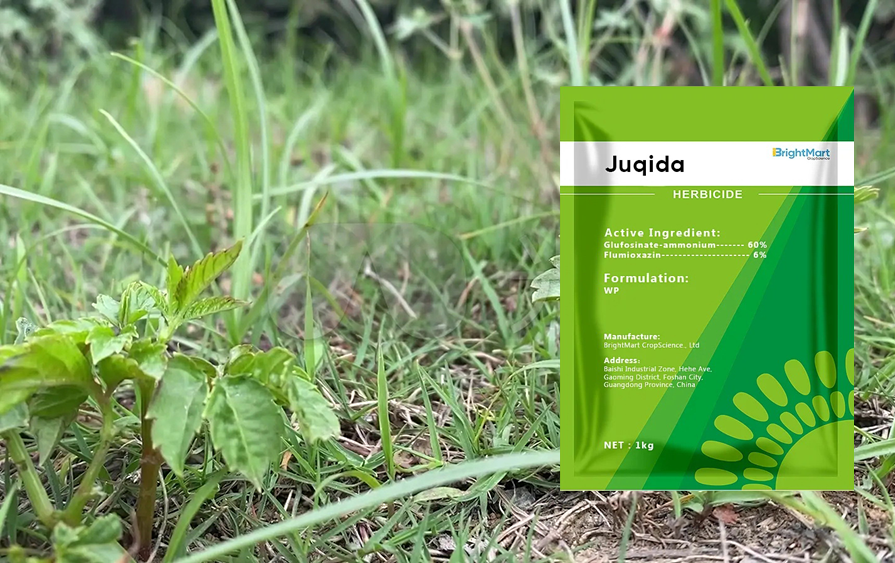
Skipping the recommended waiting time after pesticide use can cause serious health, safety, and environmental problems. These risks extend beyond the lawn and may affect families, pets, and surrounding ecosystems.
Direct contact with freshly treated grass can irritate skin or eyes. Inhaling residues may trigger coughing, dizziness, or nausea. Long-term exposure has been linked to hormone disruption and higher cancer risks in some studies (needs verification). Children are especially at risk because their bodies absorb toxins more quickly.
Pets are more likely to suffer from pesticide contact. Dogs and cats often lick paws or eat grass, increasing ingestion. Symptoms may include vomiting, diarrhea, drooling, or fatigue. Some research suggests links between repeated exposure and canine cancers. Rabbits, guinea pigs, and other small grazers face even higher risks.
Pesticides may harm bees, butterflies, and ladybugs that pollinate plants. These chemicals can drift or leach into soil and water, affecting earthworms and soil microbes. Over time, this weakens soil health and reduces biodiversity. Birds and other wildlife may also suffer when food chains are disrupted.
Safe use of pesticide protects people, pets, and the environment. Following proven practices reduces risks and helps treatments work effectively.
Every pesticide comes with detailed instructions. Labels explain dosage, application method, and re-entry times. Ignoring them can reduce effectiveness or create safety hazards. Even "eco-friendly" products require strict use.
Protective gear shields skin, eyes, and lungs from harmful exposure. At minimum, wear gloves, long sleeves, closed shoes, and goggles. For stronger formulas, a mask or respirator adds extra protection. Changing clothes after spraying prevents indoor contamination.
Items left on grass may absorb pesticide residue. Kids' toys, pet dishes, or even shoes can bring chemicals indoors. Remove them before spraying and store safely until the lawn dries. Washing hands and wiping pet paws further reduces risks.
Visible signs alert family members, visitors, or service providers that the lawn was recently treated. Flags or yard markers are common for professional services. For homeowners, a simple note on doors or gates can help prevent accidental exposure.
Not every lawn problem needs a chemical solution. Many homeowners and businesses now choose safer methods that limit exposure while still protecting grass health. These options reduce reliance on synthetic pesticide and support long-term sustainability.
Organic pesticides use naturally derived ingredients like neem oil, vinegar, or citrus extracts. They typically break down faster in soil and water, leaving less residue. Low-toxicity options include soaps and oils designed for insects or weeds. While they may need more frequent application, they lower risks to children, pets, and pollinators.
IPM focuses on prevention first and pesticides last. It combines cultural, biological, and mechanical methods to keep pests under control. Examples include:
● Planting pest-resistant grass varieties
● Encouraging natural predators like birds or ladybugs
● Adjusting mowing heights to reduce weed spread
● Using targeted, minimal pesticide only when necessary
This balanced approach reduces costs over time and promotes healthier ecosystems.
Some weeds can be controlled without chemicals. Hand-pulling, hoeing, or flame weeding works for smaller areas. Mulching garden edges also prevents weed growth. Vinegar-based sprays or boiling water treatments offer another chemical-free option. For larger lawns, combining manual removal with overseeding helps maintain thick turf that naturally resists weeds.
Staying off grass for at least 24–48 hours after pesticide use is essential, and children or pets may need longer. Always follow label directions, and when uncertain, wait more time to ensure safety. Choosing eco-friendly alternatives also supports healthier lawns and safer outdoor spaces. BrightMart offers innovative solutions designed to deliver reliable performance, helping users maintain effective results while ensuring long-term value and trust.
A: Most experts suggest 24–48 hours, though some pesticide treatments may require up to 72 hours.
A: Waiting allows pesticide residue to dry and reduces risks of skin irritation, inhalation, or ingestion.
A: Pets should avoid pesticide-treated grass for 48–72 hours, as they can lick paws or eat grass.
A: Grass should be fully dry, and pesticide labels often specify re-entry times.
A: Yes, organic pesticide and Integrated Pest Management (IPM) strategies reduce exposure risks.


