

Views: 52 Author: Site Editor Publish Time: 2025-09-19 Origin: Site


Farmers often ask: is pesticide a solution or a risk? Proper use protects crops, people, and the environment. Careless use causes harm and waste. In this article, you will learn the steps and best practices for effective pesticide application.
Before reaching for a pesticide, it is important to confirm whether it is truly needed. Misuse often wastes money, harms beneficial insects, and creates long-term environmental risks. Careful evaluation helps ensure pesticides remain effective tools rather than overused chemicals.
Not every spot on a leaf or crop damage means pests are present. Farmers and gardeners should scout fields or gardens carefully. Look for active insects, larvae, eggs, or visible fungal growth. Use magnifiers or sticky traps to verify the exact pest. By confirming the problem first, we prevent unnecessary spraying.
Many insects in a field are beneficial. Ladybugs, lacewings, and bees contribute to pollination or pest control. If they are mistaken for harmful pests, pesticides can eliminate natural allies. For example, spraying against aphids may also harm ladybugs that naturally reduce them. Distinguishing between harmful and helpful species protects biodiversity and reduces chemical use.
A pesticide is not always the first solution. Cultural practices like removing debris, rotating crops, or improving irrigation can often reduce pest populations. Physical barriers such as nets or traps are effective for many small-scale infestations. Biological control, such as introducing predatory insects, may also provide safe alternatives. These methods reduce reliance on chemicals while maintaining healthy crops.
Applying pesticides “just in case” is a poor practice. Overuse increases costs and accelerates resistance, making pesticides less effective in the future. It can also contaminate soil and water. Instead, use pesticides only when pest populations exceed economic thresholds. Follow the product label carefully for dosage and timing. Twice the amount does not mean twice the effect—it usually means more risk.
Step | Action | Benefit |
Confirm pest presence | Scout and identify pests accurately | Prevents wasteful spraying |
Differentiate species | Separate beneficial from harmful organisms | Protects natural allies |
Explore alternatives | Use cultural, physical, or biological controls first | Reduces chemical dependency |
Avoid excess use | Apply only when thresholds are reached | Lowers risk and cost |
Tip: Businesses should train staff to identify pests correctly, as accurate diagnosis reduces chemical costs and ensures sustainable pest management.
Safe application begins long before the first spray. Farmers and applicators must plan carefully, since mistakes can harm people, crops, and the environment. Each step, from reading a label to measuring dosage, ensures the pesticide delivers results without unnecessary risk.
The label is the law in pesticide use. It explains what pests the product targets, where it can be applied, and how it should be handled. A label also lists protective gear, re-entry times, and disposal guidelines. Ignoring it can lead to poor pest control, legal penalties, or safety hazards. Always review the label before opening the container.
Not every pesticide works on every pest. For example, an herbicide cannot manage fungal infections, and many fungicides target only certain diseases. Correct identification avoids wasted product and prevents collateral damage to non-target species. When in doubt, seek local extension services or crop advisors for guidance.
The right tools maximize precision. Nozzles control droplet size, which affects coverage and drift. Sprayers must be calibrated to apply the correct rate per acre. Personal protective equipment (PPE) such as gloves, goggles, and masks keeps applicators safe from exposure. Investing in quality gear protects both human health and crop yield.
Applying too much pesticide wastes money and increases environmental risk. Too little reduces effectiveness and encourages pest resistance. Dosage depends on the label rate, sprayer calibration, and field size. Small miscalculations can add up quickly, especially on large farms. Use dedicated measuring tools—not kitchen utensils—and recalculate whenever conditions change.
Applying a pesticide is not just about spraying a field. Each step must be followed carefully to protect crops, workers, and the environment. Mistakes during application often result in wasted chemicals, resistant pests, or accidental exposure. Below are the seven essential steps for effective and safe pesticide use.
Mixing is where most accidents happen. Always measure the product carefully using dedicated tools. Never guess the amount or reuse kitchen utensils. Mix in a well-ventilated space and use clean water as instructed. Avoid spills by working on a flat, stable surface. If a spill occurs, absorb it with sawdust or litter instead of washing it away.
Pesticides can enter the body through the skin, eyes, or lungs. Wearing impermeable gloves, goggles, and a mask prevents exposure. Long sleeves and pants reduce skin contact, while rubber boots protect the feet. After spraying, wash clothing separately to avoid contamination. Using PPE every time is one of the simplest but most important safety measures.
Timing is critical. Apply when pests are most vulnerable, such as larval stages for insects or early infection for fungi. Weather matters too. Avoid spraying during rain, strong wind, or extreme heat. Calm mornings or evenings are best for reducing drift. Choosing the right crop stage and weather conditions improves efficiency and prevents waste.
Coverage determines how well a pesticide works. Droplets must reach leaves, stems, or soil depending on the target. Use the correct nozzle type and height to spread evenly. Avoid drift by using coarse droplets and keeping the sprayer close to the crop. Never spray when wind speed is high, since drift can harm nearby fields, animals, or water sources.
Calibration ensures the right amount is applied per acre. Without calibration, some areas may receive too much and others too little. Check nozzles regularly, as worn parts can affect flow. Use clean water to test the sprayer output, then compare results with label requirements. Recalibrate whenever conditions change, such as speed or pressure.
Safety extends beyond the applicator. Remove children, pets, and toys from treated areas before spraying. Cover food and water sources indoors, and protect fishponds or beehives outdoors. Do not allow re-entry until the product has dried or the label’s time period has passed. Non-target protection is as important as pest control itself.
The work does not end after spraying. Inspect fields or treated areas within a few days. Check whether pests are reduced or damage has slowed. If control is poor, review whether timing, coverage, or dosage was correct. Avoid repeating the same pesticide without adjustment, as this encourages resistance. Monitoring helps refine future applications.
Even when a pesticide is applied safely, its effectiveness depends on how it is delivered. Nozzles, droplet size, and timing all influence whether the chemical reaches its target. Additives may also help the product stick or spread better. Paying attention to these details increases success while reducing waste and environmental impact.
Nozzles are the most critical part of the sprayer. Flat-fan nozzles are often used for herbicides, while cone nozzles may work better for fungicides in dense canopies. Twin-jet nozzles can improve coverage on upper leaves, but they may struggle to reach lower canopy areas. Matching nozzle type to the pest target ensures more of the pesticide lands where it is needed.
Spray pattern also matters. Broad broadcast sprays may suit weed control, but directed sprays are better for pests on specific plant parts. Choosing carefully reduces drift and improves efficiency.
Drift wastes pesticide and risks damaging nearby fields. Droplet size is key. Fine droplets offer better coverage but drift easily. Coarse droplets reduce drift but may miss small pests or hidden areas. Labels often recommend a specific droplet range to balance coverage and safety.
Weather conditions also influence drift. Wind speed, humidity, and temperature all affect how droplets travel. Applicators should check forecasts and avoid spraying during gusts or extreme heat. Using drift-reducing nozzles or additives can further limit off-target movement.
Pest biology determines when a pesticide is most effective. Insects are most vulnerable at larval stages, while fungal pathogens are easier to stop during early infection. Applying too early or too late reduces impact. Farmers should scout fields regularly to identify the right window.
Timing also includes daily conditions. Spraying in the morning or evening can improve results since temperatures are lower and wind is calmer. Aligning application with both pest stage and field conditions saves money and improves control.
Some pesticides require surfactants to spread evenly over leaves or penetrate waxy surfaces. Additives can also reduce foaming or stabilize mixtures. However, not all products need them. Adding unlisted chemicals may reduce effectiveness or cause crop injury. Always follow the label before including an additive.
When used correctly, surfactants improve droplet adhesion and coverage, especially on hard-to-wet surfaces. This small adjustment can greatly increase the value of each application.
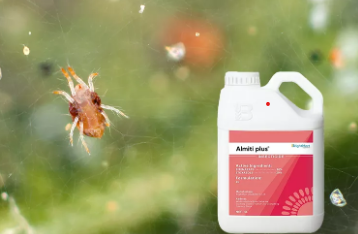
Using a pesticide effectively is only half the task. Keeping workers, families, and the environment safe is equally important. Safety starts before mixing and continues until storage and disposal are complete. The following practices reduce risks and ensure legal compliance.
Most pesticide exposure happens through skin or inhalation. Always cover arms, legs, and hands with protective gear. Avoid touching your face during work. Keep drinking, eating, or smoking away from treated areas. Children and pets should never enter treated fields until the re-entry period passes. By limiting contact, we reduce the chance of poisoning.
Mixing is one of the riskiest stages. Always use separate, dedicated tools for measuring. Store products in original containers with labels intact. Never transport pesticides alongside food or animal feed. Keep storage areas cool, dry, and locked. These practices protect people, animals, and non-target items from accidental contamination.
Despite precautions, accidents can still happen. Quick response saves lives. If pesticide touches the skin, wash with soap and water immediately. If it enters the eyes, rinse with clean water for at least 15 minutes. For inhalation, move the person to fresh air quickly. Always bring the product label when seeking medical help. This gives doctors essential treatment information.
Every pesticide label outlines specific instructions. Ignoring them is both unsafe and illegal. The law requires applicators to follow dosage, protective gear requirements, and approved crop use. Violating label directions may cause fines, crop damage, or liability claims. Treating the label as law ensures safe practice and avoids legal risk.
Pesticide resistance develops when pests survive repeated treatments and pass on resistant traits. Over time, products lose effectiveness, forcing growers to use stronger or more frequent applications. Preventing resistance protects both crops and long-term farm profitability.
Rotation is one of the best tools against resistance. Using products from different chemical groups reduces the chance that pests adapt. For example, switching between a systemic fungicide and a contact fungicide keeps pathogens from developing tolerance. Always check the mode of action code on the label before planning rotations.
Integrated Pest Management (IPM) blends cultural, biological, and chemical tools. Crop rotation, sanitation, and beneficial insects can lower pest pressure. Chemical pesticides should then be used only when necessary. This balanced approach maintains control while slowing the development of resistance.
Applying more pesticide than recommended does not improve results. Instead, it increases pest exposure and accelerates resistance. Persistent products that stay active for long periods also place constant pressure on pest populations. Following label directions for dosage and frequency reduces these risks.
After spraying, responsibility does not end. Post-application steps ensure that pesticide use remains safe, compliant, and effective. Proper cleaning, storage, and disposal prevent accidents and protect the environment.
Sprayers, nozzles, and tanks should be rinsed immediately after use. Leaving residue can damage equipment and contaminate future mixes. Always wash with clean water in a designated area where runoff will not reach streams or wells. Regular inspections help detect leaks or wear that could affect the next application.
Leftover pesticide must stay in its original container with the label intact. Containers should be sealed tightly and stored in cool, dry, and locked facilities. Never transfer chemicals into food or drink bottles. Good storage prevents accidents and preserves product stability.
Empty containers should be triple-rinsed before disposal. Rinse water can be added back into the sprayer tank and applied to labeled sites. Containers must then be punctured or crushed so they cannot be reused. Communities may have hazardous waste programs for expired or extra products. Improper disposal risks soil and water contamination.
Record keeping is essential. Each entry should include product name, amount used, application date, and target pest. Documentation proves compliance with regulations and helps evaluate effectiveness. Over time, records guide better decisions and support audits or certifications.
Step | Best Action | Benefit |
Clean equipment | Rinse sprayers and nozzles | Prevent residue buildup |
Store leftovers | Keep in labeled containers | Reduce accidents |
Dispose containers | Triple-rinse and puncture | Protect environment |
Keep records | Log dates and amounts | Ensure compliance |
Pesticides play a major role in crop protection, but careless use can damage ecosystems. Protecting beneficial species, water quality, and soil health should be part of every application plan. Choosing eco-friendly options and following best practices helps balance productivity with sustainability.
Bees, butterflies, and natural predators are vital for farms. Avoid spraying pesticides during bloom or when pollinators are active. Use selective products that target pests but spare beneficial insects. Proper timing protects biodiversity and supports long-term yield.
Rain or over-irrigation can wash chemicals into rivers and lakes. To reduce this risk, avoid spraying before storms and leave buffer zones near waterways. Calibrating equipment and applying only the needed dosage lowers contamination potential.
Overuse of pesticide can harm soil microbes and reduce fertility. Repeated exposure also affects earthworms and other beneficial organisms. Using rotation, cover crops, and reduced chemical inputs helps protect soil structure and long-term productivity.
Eco-friendly pesticides, such as microbial or plant-based products, offer lower toxicity and fewer residues. Targeted formulations, like systemic or low-drift sprays, minimize non-target effects. These options support both effective pest management and environmental safety.
Pesticide use requires careful planning to ensure safety and effectiveness. A structured approach helps protect crops, people, and the environment. Following clear steps improves control while reducing risk. BrightMart offers reliable products with advanced features that support safe and efficient applications, delivering real value to growers seeking both productivity and sustainability.
A: Effective pesticide use includes identifying pests, reading labels, choosing proper equipment, applying safely, and monitoring results.
A: The pesticide label is legally binding and ensures correct dosage, safe handling, and effective application.
A: Use the right nozzle, apply in calm weather, and follow pesticide droplet size guidelines.
A: Rotate pesticide modes of action, combine with non-chemical methods, and avoid over-application.
A: Keep pesticide in original containers, sealed, labeled, and stored in a cool, dry, locked place.


