

Views: 0 Author: Site Editor Publish Time: 2025-10-13 Origin: Site


Pests can quickly destroy greenhouse crops, reducing yield and quality. Applying pesticide in an enclosed space demands extra care for safety and effectiveness. In this article, you will learn practical tips, safe practices, and how IPM strategies support effective pesticide use in greenhouses.
Not every greenhouse problem requires a pesticide. Some pests can be reduced through biological control or cultural changes. Before spraying, growers should inspect plants and confirm if infestation levels are truly harmful. Early monitoring tools like sticky cards or weekly checks help identify threats before they spread.
Every pesticide label is a legal document, not just a guideline. It shows approved crops, target pests, dosage, and application method. Ignoring labels risks crop damage, worker exposure, and even fines. For example, some labels specify greenhouse use only for young plants, while others allow full-season treatment. Reading carefully ensures both compliance and safety.
Not all pesticides perform the same in an enclosed environment. Some degrade slower indoors because UV light is blocked, which increases their residual activity. Growers should select products suitable for the crop stage and specific pest life cycle. Organic or biopesticides may be preferred for edible crops, while systemic products can be effective for hidden pests like whiteflies. Rotating pesticide classes reduces resistance issues.
Table: Pesticide Selection Factors for Greenhouses
REI defines how long workers must stay out after spraying. Many greenhouse pesticides require 4–24 hours before re-entry. Employers must post clear warning signs and provide protective gear. Training staff on safe handling reduces exposure risks. Ventilation is also crucial since enclosed spaces trap residues longer than open fields.
Every greenhouse worker handling pesticide must wear proper PPE. Gloves keep chemicals off the skin, while respirators block fumes that linger indoors. Goggles prevent splashes from damaging eyes. A protective suit or coveralls shields the body from spray drift. PPE should be chemical-resistant, regularly inspected, and replaced if worn. Even organic pesticides can irritate skin, so consistent protection is essential.
Greenhouses trap air, so proper airflow is critical when using pesticide. Fans and vents disperse vapors and help clear residues faster. Without ventilation, applicators face higher exposure, and crops risk chemical burns. A minimum venting period should match the label or be extended in humid conditions. Good airflow ensures safer re-entry for workers and healthier plants.
Eating or smoking in treated areas raises the risk of ingestion. Residues can cling to hands, clothes, and even packaging. Workers should store personal items in separate clean zones. A designated break area keeps pesticide away from food surfaces. Strict separation reduces the chance of accidental poisoning.
Even with precautions, accidents can happen during pesticide mixing or spraying. An eyewash station allows immediate rinsing after splashes. First aid kits should include clean water, bandages, and gloves. Spill kits with absorbent materials help contain leaks before they spread. Posting emergency numbers and training staff ensures quick, effective response.
Safety Measure | Purpose | Example Item |
PPE | Protects skin, lungs, and eyes | Gloves, respirators, goggles |
Ventilation | Reduces fumes and prevents crop burn | Fans, vents, air circulation |
Food & Smoke Restrictions | Prevents accidental ingestion | Break area outside greenhouse |
Emergency Readiness | Enables fast action after accidents | Eyewash, spill kits, first aid |
Handheld and backpack sprayers are cost-effective tools for small greenhouses. They allow growers to apply pesticide directly to affected areas with precision. A 4-gallon backpack tank is common and portable, making it easy to maneuver between rows. However, pressure may fluctuate if not pumped regularly, which can affect spray consistency. Cleaning after each use is critical to prevent nozzle clogs.
Foggers convert pesticide solutions into a mist of very fine droplets. Cold foggers use turbulence to break the liquid into particles between 5 and 20 microns, which helps reach hidden foliage. This method covers more area in less time, saving labor. However, foggers require strict cleaning to prevent residue buildup. They are best for serious infestations where uniform coverage is necessary.
Air-assisted sprayers use airflow to push droplets deep into dense plant canopies. This ensures pesticide reaches both upper and lower leaf surfaces. The airflow also creates turbulence, improving distribution in vertical crop layers. These sprayers are ideal for crops like tomatoes or cucumbers grown in tall structures. They do cost more but offer greater efficiency in pest control.
For large-scale production, centralized systems or boom sprayers offer efficiency. A central tank mixes the pesticide and distributes it through pipes or nozzles across wide sections. Boom sprayers can cover hundreds of trays in one pass, reducing labor needs. These systems require calibration and maintenance but provide consistent results at scale. They are especially useful for multi-bay greenhouse operations.
Uneven spraying wastes pesticide and leaves pests untreated. Growers should move in a steady pattern and overlap passes slightly to cover both sides of leaves. Paying attention to hidden foliage prevents pests from surviving in untouched areas. Uniform coverage also reduces the need for repeat applications.
Holding the nozzle too close can drench plants, while being too far reduces coverage. A general rule is keeping the sprayer about 18 inches away. This distance ensures droplets spread evenly without damaging delicate leaves. Adjusting nozzles to mist mode helps maintain consistent droplet size.
Many pesticide formulations separate quickly. Shaking or agitating the sprayer every few minutes keeps the mixture consistent. Oils like neem or jojoba especially require agitation. Without proper mixing, some plants may get overdosed while others receive weak protection. Always follow label instructions for dilution ratios.
Applying pesticide during bright sunlight risks leaf burn. Twilight or early morning is safer, as cooler temperatures reduce stress on crops. These times also allow droplets to settle before workers re-enter. For edible crops, this timing minimizes visible residues at harvest.
Over-applying solution leads to dripping, which can spread disease between plants. Too much concentration may scorch foliage or damage blooms. Short bursts of 2–3 seconds per plant section are usually enough. It's better to spray evenly at lower volume than to soak leaves.
Clogged or misaligned nozzles affect droplet size and distribution. After every use, sprayers should be rinsed thoroughly with clean water. Calibration ensures the correct amount of pesticide is being delivered. Using granite chips or mild detergent inside the tank can help scrub buildup.
Fans help move fine droplets throughout the greenhouse. This ensures pesticide reaches shaded areas and the undersides of leaves. Proper air circulation also prevents droplets from settling in one area, reducing runoff. Fans work best when paired with low-volume or fogging equipment.
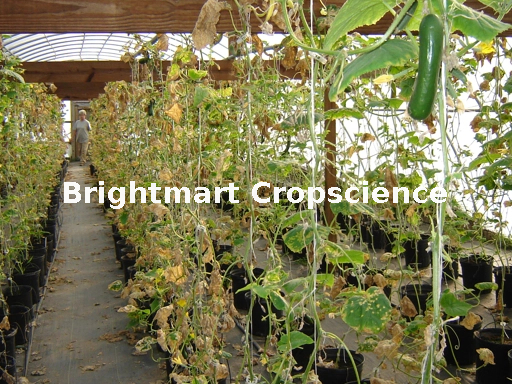
The timing of pesticide application directly affects crop safety and control success. Spraying during cooler periods, such as early morning or twilight, reduces the chance of leaf burn. Lower temperatures slow down evaporation, which allows droplets to settle properly on foliage. Cooler times also mean less worker stress, making tasks safer and more efficient.
Humidity levels play a major role in how pesticide behaves inside a greenhouse. High humidity helps droplets stay longer on leaves, improving coverage. However, too much moisture can also encourage fungal growth. On the other hand, extreme heat speeds up evaporation, reducing product effectiveness. Monitoring greenhouse conditions before application is essential to avoid wasted effort.
Light conditions influence how long pesticide residues remain active. UV radiation often breaks down chemicals, shortening their effectiveness. Many greenhouses use UV-blocking films, which can extend the residual activity of certain pesticides. While this helps maintain protection, it also requires growers to carefully track intervals between applications to avoid buildup. Choosing the right product for the light environment ensures better results.
Factor | Effect on Pesticide | Best Practice Example |
Time of Day | Hot sun causes burn and evaporation | Spray in early morning or twilight |
Humidity Levels | High humidity prolongs droplet life | Avoid spraying when condensation forms |
Temperature | Heat lowers efficiency | Apply when temperatures are moderate |
UV Exposure | UV light degrades pesticide quickly | Use UV-blocking films to extend residue |
Note: Align pesticide scheduling with environmental monitoring systems to balance safety, crop health, and cost control.
Pesticide use is most effective when balanced with biological tools. Beneficial insects, like predatory mites or lady beetles, reduce pest populations naturally. When pesticides are needed, choosing selective products protects these allies. For example, a biopesticide may target fungus while sparing pollinators. This balance prevents over-reliance on chemicals and supports long-term crop health.
Accurate monitoring is the backbone of integrated pest management. Sticky traps, visual inspections, and root checks all reveal pest activity. Recording each pesticide application, pest level, and crop response creates a valuable log. Over time, records highlight patterns, such as recurring outbreaks in specific seasons. Reliable data ensures treatment decisions are evidence-based, not guesswork.
Pests can adapt if the same pesticide is applied repeatedly. Resistance makes future treatments less effective and more costly. Rotating chemical classes with different modes of action keeps pests vulnerable. For instance, alternating a contact insecticide with a systemic product reduces the chance of resistance. This practice extends the useful life of available products.
Preventive applications protect plants before pests overwhelm them. They work well during early growth stages or when conditions favor outbreaks. Curative treatment is used only after visible damage appears, but it often requires higher doses and costs more. Combining both strategies ensures flexible, timely protection. Preventive use should always respect label limits to avoid unnecessary residues.
Pesticide storage is often overlooked, but mistakes can be costly. Containers should always remain in their original packaging with labels intact. Storage areas must be cool, dry, and well-ventilated to reduce risks. Heat accelerates chemical breakdown, while damp conditions may corrode containers. Keep the storage room locked and clearly marked with warning signs. Children, pets, and unauthorized workers should never have access.
Disposal is not just about convenience; it is a legal and safety issue. Containers should never be reused for water or food storage. Old or damaged pesticide should be disposed of following local regulations. Contact agricultural extension offices or waste management facilities for approved disposal methods. Pouring leftover product down drains or onto soil contaminates water and creates long-term hazards.
Empty containers still hold residue, which can be harmful. Triple-rinsing ensures nearly all remaining pesticide is removed. Each rinse should be poured back into the spray tank for use. After rinsing, puncture plastic containers to prevent reuse. Equipment like sprayers must also be cleaned with detergent and water after every job. This prevents chemical buildup, extends equipment life, and avoids unintentional crop exposure in future applications.
Applying pesticide in greenhouses requires planning, protection, and careful timing. Growers should follow labels, ensure safe storage, and integrate preventive methods with IPM strategies. Prioritizing safety and precision helps protect crops and workers while improving long-term yield. BrightMart supports growers with reliable products and services, offering unique features that enhance efficiency and safety in greenhouse pest management.
A: Always wear protective gear and ensure good ventilation when using pesticide indoors.
A: Keep the pesticide nozzle about 18 inches away to avoid burns or over-drenching.
A: Applying pesticide in early morning or twilight prevents leaf burn and improves effectiveness.
A: Rotate pesticide types and record usage to maintain long-term control.
A: Yes, pairing pesticide with beneficial insects supports sustainable greenhouse management.


