

Views: 83 Author: Site Editor Publish Time: 2025-09-17 Origin: Site


Rice feeds billions worldwide, but pests threaten harvests. Farmers often turn to pesticide for protection. Which type works best in rice farming? This article explores common options, their effectiveness, and the balance between yield gains and environmental or health risks.
Rice farmers face constant threats from insects, weeds, and diseases. To protect yields, they rely on different pesticide categories. Each type addresses a specific problem, and choosing the right one ensures both productivity and sustainability.
Rice pests like stem borers, brown planthoppers, and leaf folders can devastate fields within weeks. Stem borers tunnel inside stems, cutting nutrient flow. Brown planthoppers suck sap and spread viruses, while leaf folders damage leaves by folding and scraping tissue.
Farmers often turn to insecticides such as chlorpyrifos, imidacloprid, and lambda-cyhalothrin. Chlorpyrifos is widely used but has raised concerns about its effects on non-target organisms. Imidacloprid, a neonicotinoid, is effective against sap-feeding pests but may persist in waterlogged paddies. Lambda-cyhalothrin, a pyrethroid, is valued for quick action and low cost.
Timing matters. Applications are usually scheduled during the vegetative and reproductive phases when pest populations peak. In water-filled paddies, sprays or granular formulations are applied directly to ensure full coverage.
Weeds are often the most stubborn competitors in rice paddies. Manual weeding requires 30–120 labor days per hectare, making it costly and inefficient. Uncontrolled weeds can cut yields by over 30% in some regions (needs verification).
Farmers now depend on herbicides such as butachlor, glyphosate, penoxsulam, and propanil. Butachlor is one of the most common pre-emergence options. Glyphosate is widely applied to prepare fields before planting. Penoxsulam offers selective weed control and lasts longer in water. Propanil is often used in mixtures to target a broader range of weeds.
Herbicide use reduces labor dependency and lowers overall production costs. In regions facing rural workforce shortages, herbicides are often the only practical option to maintain timely weed control.
Diseases like rice blast and sheath blight are among the most destructive fungal threats. Blast can damage leaves, stems, and panicles, causing yield losses of 50% or more during epidemics (needs verification). Sheath blight thrives in dense, high-nitrogen fields and weakens plants before harvest.
To manage these risks, farmers rely on fungicides such as tricyclazole, carbendazim, and mancozeb. Tricyclazole is effective against blast but can persist in soil. Carbendazim is a systemic fungicide used in rotations but is often detected in residues. Mancozeb, a multi-site fungicide, is cost-effective but requires frequent applications.
The cost-benefit of fungicide use is often favorable. In some trials, a two-spray program cut blast by up to 80% while boosting yields significantly. For smallholders, balancing upfront costs against saved harvest value often justifies fungicide investment.
Pesticide Type | Main Targets | Common Products | Key Considerations |
Insecticides | Stem borers, hoppers, leaf folders | Chlorpyrifos, Imidacloprid, Lambda-cyhalothrin | Timing critical; risk of resistance |
Herbicides | Weeds in paddies | Butachlor, Glyphosate, Penoxsulam, Propanil | Reduces labor; potential runoff issues |
Fungicides | Blast, sheath blight | Tricyclazole, Carbendazim, Mancozeb | Cost-effective but residue risks |
Selecting the right pesticide for rice farming is never a one-size-fits-all decision. Farmers adjust their choices based on crop stage, field conditions, and strict regulatory standards. Each factor shapes how and when chemicals are applied to achieve control without risking food safety or environmental damage.
Rice plants pass through four main phases: seedling, vegetative, reproductive, and ripening. At each stage, different pests emerge, so pesticide use must be tailored.
● Seedling stage: Seedlings are vulnerable to pests like paddy flies and damping-off fungi. Farmers often apply protective fungicides or low-dose insecticides early.
● Vegetative stage: Stem borers and weeds are most active, requiring selective insecticides and pre-emergence herbicides.
● Reproductive stage: This is when grain formation occurs, and pests like brown planthoppers attack. Insecticides such as imidacloprid are typically applied here.
● Ripening stage: Application is minimized due to residue risks, but targeted fungicides may still be used if blast or sheath blight persists.
This stage-specific approach avoids unnecessary spraying and keeps pesticide residues within safe levels.
Rice is often grown in flooded paddies, where standing water changes how pesticides behave.
● Flooded systems: Chemicals like penoxsulam can persist longer in water, which may raise risks for aquatic life. Farmers must carefully manage timing and dosage.
● Upland systems: These rely on rain-fed fields where pesticides break down more quickly, but weed pressure is higher. Herbicides such as glyphosate are often used before planting.
Soil type and water management also matter. Heavy clay soils may hold pesticide residues longer than sandy soils, affecting both crop health and runoff potential.
Rice is a globally traded crop, and buyers demand strict safety compliance. Pesticide residues must stay below maximum residue limits (MRLs) set by national agencies, the Codex Alimentarius, or the European Union.
● Pre-harvest intervals (PHI): Farmers must stop spraying before harvest to ensure residues decline to safe levels. Ignoring PHIs can lead to rejected shipments.
● International standards: Exporters to the EU or Japan often face stricter tolerances than domestic markets. This forces growers to align chemical use with destination requirements.
Maintaining compliance protects both consumers and market access, making regulatory awareness as important as pest control itself.
Studying regional practices shows how farmers choose pesticide programs for rice. These cases reveal both successes and challenges in balancing yields, costs, and environmental impact.
In Asia, rice is central to food security, so farmers rely heavily on pesticides. Insecticides and herbicides are the backbone of pest management here. Stem borers, hoppers, and leaffolders drive strong insecticide demand, while weeds in humid paddies push herbicide use.
Countries like India and Vietnam also depend on fungicides due to frequent outbreaks of rice blast and sheath blight. Tricyclazole and mancozeb are widely applied when disease pressure spikes. Intensive programs often maximize yields but raise concerns about long-term soil health and resistance.
In West Africa, rice farmers face both labor shortages and pest stress. As a result, they mainly use glyphosate (herbicide) for weed suppression and pyrethroids (insecticide) for insect pests. These two groups dominate local markets because they are affordable and effective.
However, studies in Côte d’Ivoire found widespread misuse. Many farmers lacked training, leading to overdosing or mixing different products incorrectly. Unauthorized pesticides were also present, raising food safety risks. Such practices increase residue levels and reduce trust in local supply chains.
In Iran and parts of South Asia, farmers adopt double-cropping systems to boost production. To protect the second crop, they often apply diazinon, an organophosphate insecticide, against stem borers.
The challenge lies in timing. Because the second crop coincides with a new pest generation, farmers use more chemicals. Research has shown that second-crop rice carries higher pesticide residues than the first crop. This raises safety concerns for consumers and adds export risks.
Note: Regional case studies show that pesticide choice is not only about pest type but also about farmer training, regulations, and market pressures.
While pesticide use protects rice yields, it also brings side effects. These consequences affect soil health, water systems, and human safety. Understanding them helps balance productivity with sustainability.
Residues from pesticides can accumulate in paddy soils. Over time, they may reduce soil microbial diversity, which is crucial for nutrient cycling.
For example, long-term insecticide use often decreases beneficial microbes like nitrogen-fixing bacteria. This weakens natural soil fertility and forces farmers to apply more fertilizer.
Herbicides can also change soil chemistry, lowering organic carbon and altering nutrient flow. These shifts reduce soil resilience against future stress.
Rice paddies are often waterlogged, so runoff easily carries pesticides into nearby streams or lakes.
● Fish exposed to contaminated water may suffer oxidative stress and reduced growth.
● Amphibians and insects also decline, leading to biodiversity loss.
● Persistent chemicals can accumulate in sediments, prolonging risks.
Another concern is bioaccumulation. Small aquatic organisms absorb pesticides, which then magnify up the food chain. Top predators, including fish consumed by people, may carry unsafe levels.
Farmers face direct exposure when spraying pesticides. Without proper protection, they may experience skin irritation, dizziness, or long-term illness.
Consumers are affected indirectly. Pesticide residues can remain in harvested rice grains. If levels exceed maximum residue limits (MRLs), food safety is compromised.
Chronic exposure to residues has been linked to respiratory, neurological, and reproductive health issues (needs verification).
Impact Area | Main Concern | Examples |
Soil Health | Residue buildup, microbial loss | Reduced nitrogen-fixing bacteria |
Water Ecosystems | Runoff, biodiversity loss, biomagnification | Fish mortality, contaminated sediments |
Human Health | Direct exposure, residues in grains | Farmer illness, consumer safety risks |
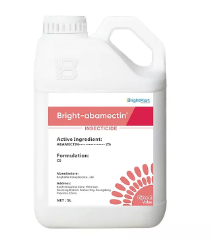
Rice farming depends on pesticide use, but sustainability demands new approaches. Farmers, governments, and suppliers now explore safer methods that balance yield with environmental protection.
IPM combines cultural, biological, and limited chemical tools. Instead of relying solely on chemicals, farmers rotate strategies based on field conditions.
In Indonesia, IPM adoption cut pesticide use by up to 50% while keeping yields steady (needs verification). Bangladesh also reported stable rice production after scaling down chemicals.
IPM lowers costs, preserves soil microbes, and slows resistance development. It remains the backbone of sustainable rice pest management.
Nature provides allies against rice pests. Farmers can release Trichogramma wasps to target stem borer eggs. Spiders and dragonflies naturally limit hopper populations.
Ducks and fish in paddies eat insects and weeds while aerating water. This reduces chemical dependency and strengthens biodiversity.
Such practices require minimal investment and often integrate smoothly into traditional systems.
Biopesticides derived from plants and microbes offer eco-friendly alternatives. Neem oil deters hoppers and leaf folders. Bacillus thuringiensis (Bt) targets caterpillars without harming other organisms.
Compared to synthetic pesticide, these products break down quickly and leave fewer residues in rice grains. They also align with organic certification standards, opening access to premium markets.
Co-culturing rice with fish, crabs, or even turtles reduces pest pressure naturally. Aquatic animals feed on weeds, larvae, and snails that damage crops.
Farmers in China observed higher yields and extra income from selling aquatic products. Co-culture also improves soil aeration and nutrient recycling.
This model boosts sustainability while diversifying farm income streams.
Modern tools help farmers use less pesticide without losing control. Drone spraying ensures even coverage and avoids worker exposure.
Smart dosing systems calculate the minimum effective amount based on pest monitoring. This reduces waste, cuts costs, and lowers residue levels in rice.
Precision agriculture bridges the gap between efficiency and safety.
Lack of training often leads to overuse or unsafe handling. Extension services and NGOs now promote better practices.
Training includes proper mixing, protective clothing, and label reading. These small steps reduce health risks and improve compliance with regulations.
When farmers understand both benefits and risks, adoption of alternatives becomes easier.
Governments and NGOs play key roles. Subsidies for biopesticides or IPM kits encourage adoption.
Regulations also restrict hazardous chemicals while promoting safer ones. In some regions, NGOs distribute Trichogramma cards or biopesticide samples directly to farmers.
Policy and financial support accelerate the transition away from heavy chemical dependence.
Rice farmers often evaluate pesticide programs by yield gains, costs, and long-term effects. The choice is rarely simple—what boosts productivity today may harm soils, water, or markets tomorrow.
Chemical pesticides deliver quick results. Insecticides reduce hopper outbreaks, herbicides clear paddies in days, and fungicides prevent blast epidemics. Farmers see immediate yield increases when pests are suppressed.
Yet these short-term benefits can come at a cost. Repeated spraying reduces microbial diversity in soil, weakens natural pest resistance, and pollutes water systems. Residues in rice grains also raise food safety concerns.
Balancing productivity with sustainability is the main challenge. Many farmers now mix chemical use with integrated pest management to avoid overreliance.
Cost is often the deciding factor in pesticide adoption. Herbicides save large amounts of labor—manual weeding can require up to 100 hours per hectare (needs verification). Using butachlor or glyphosate cuts that workload and keeps fields manageable.
However, pesticide purchases increase input costs. For smallholders, a few extra sprays may strain budgets, especially when profits are already tight. Fungicides, while effective, add recurring expenses during disease outbreaks.
Farmers must weigh immediate labor savings against recurring purchase costs and potential long-term soil fertility decline.
Pesticide use also reflects geography. In Asia, where insect pests like stem borers and planthoppers thrive in humid climates, insecticides dominate. Vietnam and India, for example, see widespread use of imidacloprid and tricyclazole to control insects and blast.
In contrast, African rice farmers face severe weed competition and labor shortages. Herbicides like glyphosate and propanil are used more often than insecticides. Misuse remains common, partly due to limited farmer training.
These regional differences show how climate, pest type, and labor availability shape pesticide choice.
Rice farming uses insecticides, herbicides, and fungicides, with selection shaped by pest type, field conditions, and regulations. Farmers must balance yield benefits against soil, water, and health impacts. Sustainable practices like IPM, biopesticides, and precision spraying support long-term productivity. BrightMart provides advanced products with reliable performance, helping farmers achieve efficient protection while reducing risks and ensuring sustainable value.
A: Rice farming mainly uses insecticides, herbicides, and fungicides, with each pesticide targeting specific threats.
A: Pesticide helps protect rice from insects, weeds, and diseases, ensuring higher yields and reduced losses.
A: Farmers choose a pesticide based on crop stage, pest pressure, field conditions, and regulatory residue limits.
A: Yes, biopesticides like neem oil and Bt provide eco-friendly protection and reduce chemical pesticide dependence.


